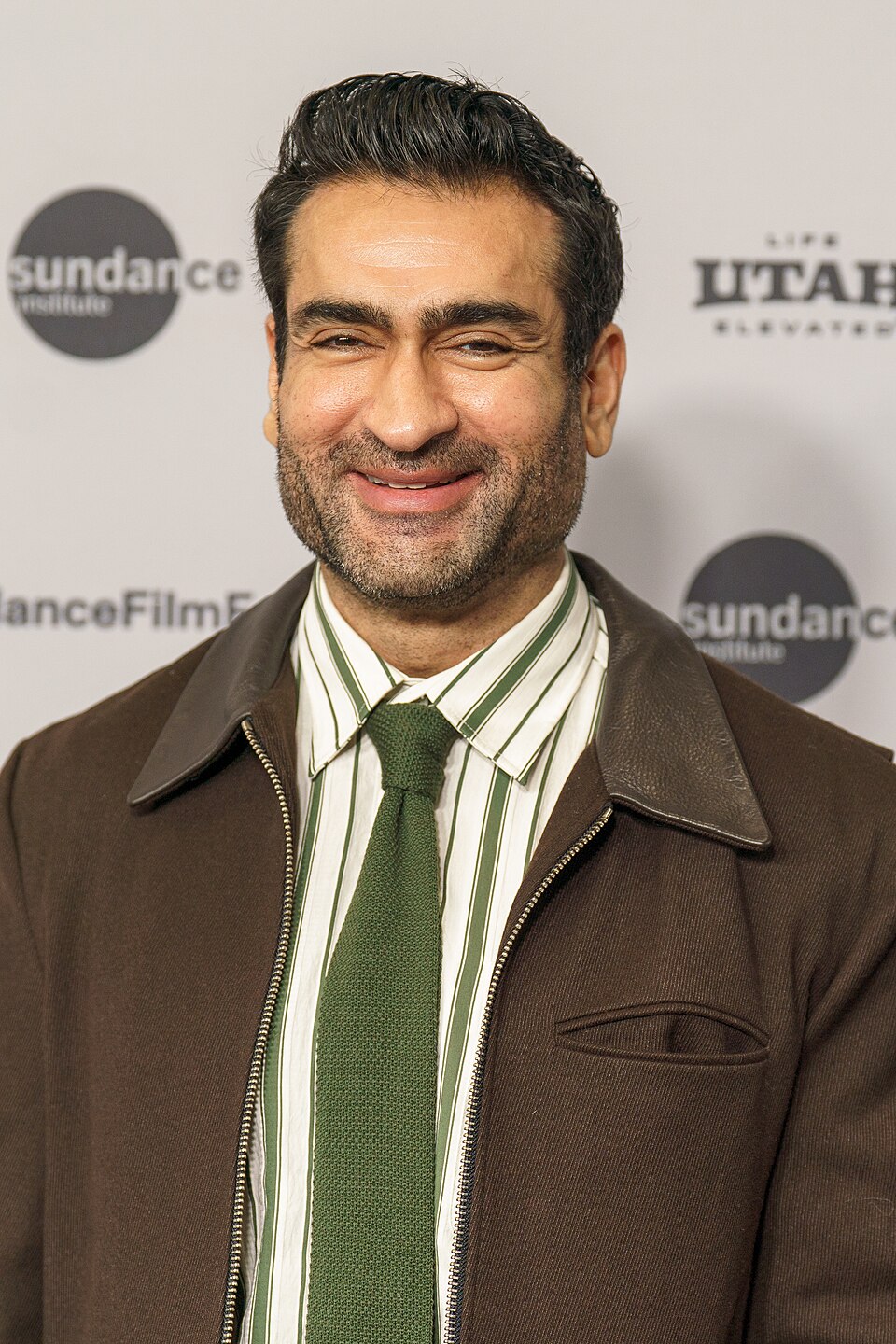
Kumail Nanjiani's 'Schindler's Post-It' Joke Sparks Oscar Fury
The Academy Awards, a night typically reserved for celebrating cinematic achievements, occasionally becomes a stage for unintended controversy. Such was the case when comedian and presenter Kumail Nanjiani, tasked with presenting the Best Live Action Short Film award, delivered a joke that quickly overshadowed the evening's triumphs. His reference to "Schindler's Post-It," a play on Steven Spielberg's seminal Holocaust drama *Schindler's List*, ignited an immediate and fierce backlash, casting a pall over his appearance and sparking widespread debate across social media and beyond. The incident swiftly became a defining moment of the ceremony, highlighting the delicate balance between comedic license and the profound sensitivity surrounding historical tragedy, particularly the Holocaust.
The Ill-Conceived Gag That Ignited a Firestorm
The controversial moment unfolded as Kumail Nanjiani took to the stage to present one of the evening's highly anticipated awards. His routine was built around a humorous premise: the idea that many feature-length films could benefit from being condensed into shorter formats. To illustrate his point, Nanjiani offered several playful re-imaginings of classic movie titles. He suggested transforming *It's A Wonderful Life* into *It's A Wonderful Month* and reimagining *The King's Speech* as *The King's Tweet*. While these examples elicited mild amusement, it was his final suggestion that abruptly shifted the mood in the room and online: "Schindler's Post-It."
The reference, intended as a punchline, landed with an audible thud. The film *Schindler's List*, directed by Steven Spielberg and released in 1993, is not merely a movie; it is a profound historical document based on the real-life story of Oskar Schindler. Portrayed by Liam Neeson, Schindler was a German industrialist credited with saving approximately 1,200 Jews from the Nazi Holocaust during World War II. The film is a powerful, unvarnished depiction of unimaginable suffering and acts of remarkable courage, widely regarded as a sacred portrayal of one of humanity's darkest chapters. To condense its title into a flippant phrase like "Schindler's Post-It" was immediately perceived by many as deeply disrespectful, trivializing both the film's artistic merit and the grave historical events it represents. The lack of laughter from the star-studded audience was palpable, a clear indication that the comedian had misjudged the room, and perhaps, the global audience.
A Wave of Condemnation: Viewer Reactions and Social Media Outcry
The silence in the Dolby Theatre was quickly replaced by a deafening roar of outrage across social media platforms. Viewers watching the
Kumail Nanjiani Holocaust joke Oscars appearance erupted in a torrent of criticism, expressing disgust and disbelief at the perceived insensitivity. The immediate reaction highlighted a stark disconnect between Nanjiani's comedic intent and the audience's perception of appropriate humor for such a solemn subject.
Social media site X (formerly Twitter) became a primary forum for the outpouring of anger. Many users articulated their offense with poignant clarity. One viewer succinctly captured the general sentiment, stating, "Can't say that Schindler's List joke was uh in any good taste!" Others pointed out the logical flaw in the joke itself, with one critic noting, "A list isn't a form of stationery, so 'Schindler's post-it' doesn't make any sense. Bad joke." This comment not only decried the insensitivity but also highlighted the lack of comedic precision, compounding the perceived failure of the gag.
The backlash intensified, with some reactions becoming considerably harsher. One particularly strong comment from a viewer branded the remark as a "CHEAP leftist antisemitic comment" and vehemently demanded that Kumail Nanjiani never be invited back to the Oscars. While this specific characterization represents an extreme viewpoint from a single observer, it underscores the profound level of offense and the perceived gravity of Nanjiani's misstep among a segment of the audience. The collective sentiment was overwhelmingly one of shock and condemnation, with many asking, "Why the f*** would you make a joke about short films, Schindler's Post-it?" Calls for a "lifetime ban" from the Oscars, attributed to "fuming viewers," further illustrated the depth of public anger and the demand for accountability following the incident. This widespread condemnation made it clear that Nanjiani's attempt at humor had crossed a line that many deemed unforgivable, especially on such a prominent global stage. For more on the immediate aftermath and public demand for consequences, read
Viewers Demand Ban After Kumail Nanjiani's Oscar Holocaust Gag.
The Peril of Punchlines: Context, Sensitivity, and Comedic Responsibility
The controversy surrounding Kumail Nanjiani's joke serves as a stark reminder of the inherent risks comedians face when venturing into sensitive territory, particularly on a global platform like the Academy Awards. The incident ignited a broader discussion about the boundaries of humor, the importance of historical context, and the weighty responsibility that comes with addressing subjects like the Holocaust.
*Schindler's List* is not merely a film; it is a cultural touchstone representing one of the most horrific periods in human history. Its portrayal of the Holocaust is designed to educate, memorialize, and prevent future atrocities. For many, any attempt to trivialize or lampoon it, even indirectly, is an affront to the memory of millions who suffered and perished. The expectation on such a stage is often one of decorum and respect, especially when dealing with themes of profound human suffering.
The Art of Short Films and the Misstep in Presenting It
Ironically, Nanjiani's role was to celebrate the "real art" of short filmmaking. His routine, designed to preface the Best Live Action Short Film award, aimed to highlight the narrative power of brevity. However, the controversy surrounding his "Schindler's Post-It" remark completely overshadowed this intent. The irony deepened when the award itself turned out to be a rare tie, an unexpected moment that typically would have been a talking point, much like the 2013 Oscars when *Zero Dark Thirty* and *Skyfall* tied in the sound editing category. Instead, Nanjiani's ill-advised joke became the lasting memory, eclipsing both the deserving winners and the unique occurrence of the tie. This incident underscores how a single misstep can derail an entire segment and redefine a presenter's participation, shifting the focus from the achievements being honored to the controversy sparked by the host. The widespread online reaction further solidified this, as explored in
Oscars: Kumail Nanjiani's Tasteless Schindler's List Joke Explodes Online.
Comedic responsibility dictates an understanding of the audience, the context, and the subject matter. While humor can be a powerful tool for satire and social commentary, it often falters when it appears to mock or diminish experiences of immense trauma. The live, unedited nature of the Oscars means there is no room for error, and social media ensures that any misstep is immediately amplified and scrutinized. This incident sparked a valuable conversation about the fine line between edgy humor and genuinely offensive content, reminding public figures that historical memory and collective trauma demand a heightened degree of sensitivity, even in the pursuit of a laugh.
Conclusion
The
Kumail Nanjiani Holocaust joke Oscars controversy stands as a poignant example of how a single poorly conceived joke can ignite a global firestorm. His "Schindler's Post-It" remark, intended to be a lighthearted observation on film titles, instead became a focal point of outrage, underscoring the deep sensitivity surrounding the Holocaust and the film that honors its victims. The widespread condemnation, particularly on social media, highlighted a collective demand for respect and historical awareness, especially on a stage as prominent as the Academy Awards. This incident serves as a lasting reminder for entertainers and public figures that while humor can be a bridge, it can also become a barrier when it fails to acknowledge the profound weight of human history and suffering. The fallout from Nanjiani's joke will likely resonate for years to come, influencing discussions about comedic boundaries and the ethical responsibilities of those who entertain on a global stage.