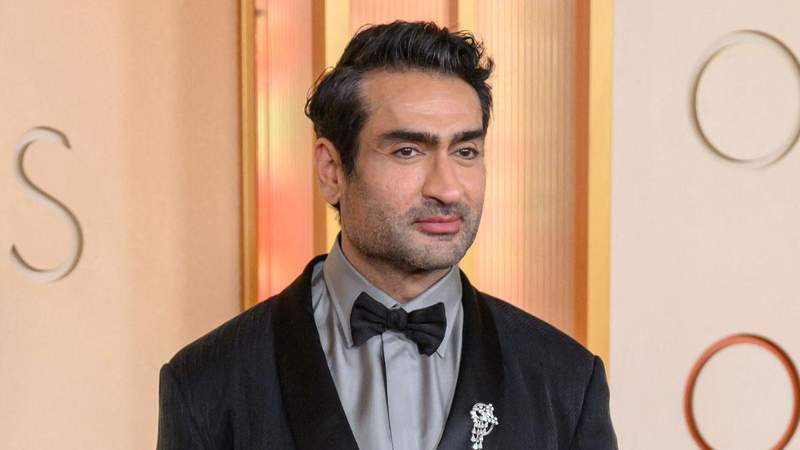
The Gag That Sparked Outrage: Kumail Nanjiani's Oscars Moment
The Academy Awards ceremony, a pinnacle of cinematic celebration, is often a stage for memorable moments – emotional acceptance speeches, dazzling performances, and sometimes, unfortunate missteps. This year, presenter Kumail Nanjiani inadvertently found himself at the center of a storm, sparking widespread outrage with a joke perceived as deeply insensitive. While presenting the award for Best Live Action Short Film, Nanjiani attempted a comedic bit about shortening movie titles for efficiency. His routine quickly veered into controversial territory, culminating in a remark that drew gasps and a subsequent torrent of criticism online, reigniting debates about taste, humor, and historical sensitivity.
Nanjiani's premise was straightforward enough: some feature films, he suggested, could be condensed into shorter, snappier titles. He offered examples like changing
It's A Wonderful Life to "It's A Wonderful Month" and
The King's Speech to "The King's Tweet." The audience, initially receptive to the lighthearted banter, grew increasingly uncomfortable as the comedian delivered his final example: "Schindler's Post-It." The comment, intended as a play on the iconic title
Schindler's List, instantly fell flat. Laughter was notably absent, replaced by an audible wave of discomfort that rippled through the star-studded room and quickly escalated among viewers watching from home.
The choice of
Schindler's List as the target for this particular gag was the critical misjudgment. Steven Spielberg's 1993 masterpiece is not merely a film; it is a profound historical document, a stark and somber portrayal of the Holocaust. It recounts the true story of Oskar Schindler, who saved the lives of 1,200 Jews from Nazi persecution during World War II. Reducing such a title, steeped in profound human suffering and monumental acts of heroism, to a casual joke about office stationery struck many as tone-deaf and disrespectful. The immediate backlash highlighted a stark disconnect between the presenter's comedic intent and the audience's deeply held reverence for the film's subject matter.
A Deluge of Disbelief: Viewer Reactions and Social Media Storm
The silence in the room following Nanjiani's "Schindler's Post-It" remark was quickly shattered by an explosive reaction across social media platforms. Viewers worldwide took to X (formerly Twitter) and other online forums to express their disgust, disbelief, and outright anger. The consensus was clear: the joke was not only unfunny but also deeply offensive, prompting many to demand that Nanjiani face consequences for his gaffe. The hashtag surrounding the incident rapidly trended, amplifying the public's condemnation.
Critics swiftly pointed out the fundamental flaw in the joke itself, beyond its subject matter. As one viewer succinctly put it, "A list isn't a form of stationery, so 'Schindler's post-it' doesn't make any sense. Bad joke." This commentary underscored the failure of the gag on multiple levels, both comedic and logical. However, the bulk of the fury centered on the insensitivity of trivializing the Holocaust. Many interpreted the remark as a "CHEAP leftist antisemitic comment," calling for Nanjiani to be permanently barred from the Oscars. Such strong condemnations underscore the raw emotional impact of the Holocaust and the enduring sensitivity surrounding any casual reference to it. The outrage was not merely about a bad joke; it was about the perceived desecration of a historical tragedy that continues to resonate with millions. For a deeper dive into the immediate fallout, you can read more about
Kumail Nanjiani's 'Schindler's Post-It' Joke Sparks Oscar Fury.
The intensity of the calls for a lifetime ban from the Oscars for Nanjiani highlights the public's zero-tolerance stance for perceived disrespect towards such a grave historical event. In an era where public figures are increasingly held accountable for their words, especially in high-profile settings, Nanjiani's joke served as a stark reminder that some subjects are simply off-limits for casual humor. The collective voice of the viewers echoed a strong demand for respect and sensitivity, particularly when referencing one of humanity's darkest chapters.
The Fine Line of Humor: When Comedy Crosses the Line
The incident involving Kumail Nanjiani and his controversial Holocaust gag at the Oscars throws into sharp relief the perennial debate about the boundaries of comedy. While humor often pushes societal norms and challenges established ideas, there are universally accepted lines that, when crossed, can transform a joke into an offense. Historical tragedies, particularly those involving mass atrocities like the Holocaust, typically reside firmly beyond these boundaries. The core issue isn't just about what's "funny," but about what's appropriate, respectful, and considerate of collective memory and trauma.
Understanding where this line lies is crucial for any comedian, especially on a global stage like the Oscars. The power of a joke comes from its ability to connect, surprise, and evoke emotion, but when that emotion is pain, anger, or disgust, it signals a catastrophic failure of judgment. In the context of the Holocaust, the sheer scale of human suffering, the systematic dehumanization, and the enduring trauma felt by survivors and their descendants mean that any attempt at levity is almost universally deemed inappropriate. There's a fundamental difference between dark humor that critiques or processes difficult subjects and flippant remarks that merely diminish their gravity.
For aspiring comedians and event organizers, Nanjiani's misstep offers valuable lessons:
- Context is King: The setting (a glamorous awards show vs. a niche comedy club) dictates acceptable subject matter.
- Know Your Audience: A global audience requires universal sensitivity, especially concerning historical events with global impact.
- Empathy Over Edgy: Prioritize empathy, particularly when dealing with topics that touch on widespread suffering. Edgy humor should still be thoughtful, not thoughtless.
- The "Why": Ask why you're making a joke about a sensitive topic. Is it to provoke meaningful thought, or simply for a cheap laugh? The latter often backfires spectacularly.
- Review and Vet: For high-stakes events, scripts and jokes should undergo rigorous review by multiple parties, including those with diverse backgrounds and sensitivities.
The inability of Nanjiani's joke to land, even failing on a basic logical level ("a list isn't stationery"), compounded its offensiveness. It demonstrated a lack of understanding not just of the gravity of the subject but also of fundamental comedic craftsmanship, ultimately serving as a cautionary tale for those who wield the microphone.
The Aftermath and Future Implications: What This Means for the Oscars and Comedians
The fallout from Kumail Nanjiani's Holocaust gag has immediate and far-reaching implications, not only for the comedian himself but also for the Academy Awards and the broader entertainment industry. For Nanjiani, the incident has undoubtedly caused significant reputational damage. Despite his previous successful comedic ventures and acting roles, this particular moment has become a defining point of controversy, leading to intense public scrutiny and the aforementioned demands for a permanent ban from future Oscars events. While the Academy has yet to issue an official statement regarding Nanjiani's future involvement, the public pressure is undeniable.
For the Oscars ceremony itself, this incident serves as a stark reminder of the delicate balance required in live television production, particularly when humor is involved. High-profile events like the Academy Awards are under immense pressure to entertain while remaining respectful and inclusive of a diverse, global viewership. The controversy will likely prompt intensified internal reviews of presenter scripts and comedic bits, with a stronger emphasis on vetting material for potential insensitivity. The Academy might consider bringing in more diverse sensitivity readers or cultural consultants to prevent similar missteps in the future. The last thing the Oscars needs is another controversy overshadowing its primary purpose of celebrating cinematic achievement. You can find more details on how the public reacted to this event in
Oscars: Kumail Nanjiani's Tasteless Schindler's List Joke Explodes Online.
The broader implications extend to the comedic world. In an increasingly interconnected and socially conscious environment, comedians are constantly navigating the tightrope between edginess and offense. This incident reinforces the lesson that some topics, due to their historical weight and the trauma they represent, are not suitable for casual comedic treatment. It encourages a more thoughtful approach to joke construction, urging comedians to consider not just whether a joke *can* be made, but whether it *should* be made, and what its potential impact might be on different audiences. The ongoing debate about "cancel culture" versus accountability means that public figures are held to higher standards, and missteps can have tangible and lasting consequences on their careers.
The incident underscores the need for continuous dialogue about responsible humor, historical memory, and the role of entertainment institutions in fostering a respectful and inclusive environment. While comedy is subjective, the collective outcry over Nanjiani's joke demonstrates that some lines are universally understood and crossing them comes at a significant cost.
Conclusion
Kumail Nanjiani's "Schindler's Post-It" gag at the Oscars was a moment that transcended a simple comedic misfire, evolving into a significant controversy that sparked widespread outrage and calls for a permanent ban. The joke's immediate failure to elicit laughs in the room was a precursor to the storm of condemnation that erupted online, with viewers branding it as tasteless, insensitive, and even antisemitic. This incident serves as a powerful reminder of the delicate balance between humor and respect, particularly when referencing historical tragedies of the magnitude of the Holocaust. The global reaction underscores a universal demand for accountability and sensitivity from public figures, especially on platforms as prominent as the Academy Awards. As the entertainment industry moves forward, Nanjiani's misstep will likely remain a cautionary tale, emphasizing the critical importance of thoughtful comedy, meticulous script vetting, and an unwavering respect for collective memory to prevent humor from inadvertently causing profound offense.